This is the question every international visitor asks before booking a Kenya trip — and it deserves a completely honest answer. Not the marketing-friendly "Kenya is perfectly safe, come visit!" answer, and not the alarmist travel-blog "avoid at all costs" version either. As people who live and work in Kenya every day, here is the real picture.
The short answer: Kenya is safe for tourists who travel sensibly, use reputable operators and exercise the same common sense they'd use in any major city or unfamiliar destination. Over 2 million international tourists visit Kenya every year. The vast majority have wonderful, incident-free experiences.
The UK Foreign Office, US State Department and most Western government travel advisories give Kenya an "exercise normal/increased caution" rating — the same as many popular European and Asian destinations. They specifically note that major tourist areas including Nairobi's tourist districts, the Maasai Mara, Amboseli, Samburu and the coast are generally safe.
Is Nairobi Safe?
Nairobi is a major African metropolis of 5 million people. Like any large city — Lagos, Johannesburg, São Paulo, Mexico City — it has areas that are safe and areas that require caution. The key is knowing the difference.
Areas That Are Safe for Tourists
- Westlands: Nairobi's most cosmopolitan neighbourhood. Excellent restaurants, hotels, shopping. Very safe for tourists.
- Karen and Langata: Upmarket residential suburbs. Home to the Giraffe Centre, David Sheldrick Elephant Orphanage and Karen Blixen Museum. Very safe.
- Gigiri: Home to the UN headquarters and many embassies. High security, excellent hotels. Very safe.
- Kilimani and Lavington: Popular with expats, good restaurants and hotels. Generally safe with normal caution.
Areas to Exercise Caution
- CBD (Central Business District): During the day, the CBD is busy and generally safe. At night, avoid walking alone. Use taxis or ride-hailing apps (Bolt, Uber) after dark.
- Eastlands: Residential areas east of the city centre. Not a tourist area — no reason to visit as a tourist.
Use Uber or Bolt for all taxi transport — never hail a taxi from the roadside. Don't walk around alone at night in unfamiliar areas. Keep your phone in your pocket in busy areas. Stay at hotels in Westlands, Karen, Gigiri or Kilimani. These basic precautions eliminate the vast majority of tourist safety concerns in Nairobi.
Are the Safari Parks Safe?
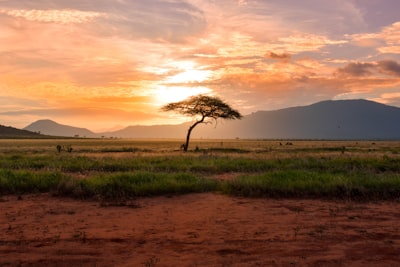
The safari parks — Maasai Mara, Amboseli, Samburu, Lake Nakuru, Tsavo — are extremely safe for tourists. There are no significant security concerns in Kenya's major wildlife reserves. Incidents in park areas are exceptionally rare.
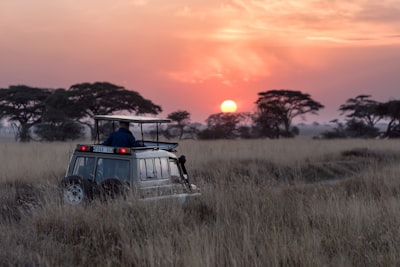
The wildlife itself is the only "danger" — and it is easily managed by following your guide's instructions. All our guides are trained in wildlife behaviour and safety. You will never be asked to leave your vehicle in an unsafe area. The rules are simple: stay in the vehicle during game drives, follow your guide's instructions at all times, and do not feed or provoke any animals. In over a decade of operations, we have had zero wildlife-related incidents with our clients.
Is the Kenyan Coast Safe?
The main tourist areas of the Kenyan coast — Diani Beach, Watamu, Malindi and the Lamu Archipelago — are popular with international visitors year-round. Diani Beach in particular is extremely well-developed for tourism and is generally considered very safe.
A note on Lamu: While a beautiful destination, the Lamu and Manda Bay areas are subject to an elevated travel advisory from some Western governments due to proximity to the Somalia border. We advise clients to check current advisories for Lamu specifically and recommend Diani Beach and Watamu as the safer and equally beautiful coastal alternatives.
Health and Medical Safety
Health is arguably a more important practical consideration than crime for most tourists visiting Kenya.
- Malaria: Kenya is a malaria-risk country. Prophylactic medication is strongly recommended for all wildlife areas (Mara, Amboseli, Samburu, coast). Nairobi at 1,661m above sea level is considered low-risk but not risk-free. Consult your doctor for the appropriate medication before departure.
- Yellow Fever: Required for entry if arriving from a yellow fever endemic country. Check if this applies to you.
- Other vaccinations: Standard travel vaccinations — hepatitis A, typhoid, tetanus — are recommended. Your GP or travel health clinic will advise.
- Water: Drink bottled or filtered water only in Kenya. All reputable lodges and camps provide bottled or filtered water.
- Medical facilities: Nairobi has excellent private hospitals (Aga Khan Hospital, Nairobi Hospital, MP Shah). In wildlife areas, emergency medical evacuation is handled by AMREF Flying Doctors — we strongly recommend all clients purchase flying doctor coverage (approximately $25 per person).
Practical Safety Tips from Our Team
- Book through a reputable, licensed operator. The single most important safety decision you make is choosing your safari company. A licensed, insured, KTB-certified operator handles everything — vetted vehicles, experienced guides, emergency protocols. Do not book through unverified online strangers or social media contacts offering suspiciously cheap trips.
- Get comprehensive travel insurance. This is non-negotiable for any international travel. Ensure your policy covers medical evacuation.
- Register with your embassy. Many governments offer online registration systems for citizens travelling abroad. This helps your government contact you in emergencies.
- Keep a low profile. Don't wear expensive jewellery or display expensive cameras and phones in public. Keep valuables in hotel safes.
- Use hotel or operator transport. All Granelle Adventures clients are transported in our own vetted vehicles with our own drivers. We do not use third-party taxis.
- Trust your instincts. If a situation feels wrong, remove yourself. The same basic street-sense that keeps you safe in any city applies in Kenya.
Our Honest Verdict
Kenya is a genuinely beautiful, welcoming and safe country for international tourists. The people are warm, the landscapes are extraordinary, and the wildlife is unmatched anywhere on earth. The concerns that some potential visitors have are often based on outdated perceptions or sensationalised media coverage that bears little resemblance to the actual experience of visiting.
Millions of tourists visit Kenya every year — from all corners of the world, including solo female travelers, families with young children, elderly couples and gap-year backpackers. With appropriate preparation, a licensed operator and basic travel sense, a Kenya safari is as safe a travel experience as visiting many popular European or Asian destinations.
Don't let unfounded fear stop you from experiencing one of the most extraordinary places on earth.
Have More Questions About Kenya?
Our team of Nairobi-based experts is happy to answer any specific safety questions you have about your trip. Reach us anytime on WhatsApp.
Plan My Safe Kenya Safari💬 WhatsApp: +254 741 535 795